
BI, Data Analytics & Data Engineering Services for Logistics & Supply Chain Services

Understanding BI, Data Analytics & Data Engineering in Logistics & Supply Chain
Logistics and supply chain operations involve complex, interconnected processes such as procurement, inventory management, transportation, order fulfillment, and distribution. Without structured BI and analytics, organizations face inefficiencies, delays, stock imbalances, limited visibility, and higher operational costs.
BI, data analytics, and data engineering services integrate and organize data from warehouses, suppliers, transportation systems, and enterprise platforms to deliver a unified and reliable view of supply chain operations, performance, and risks.
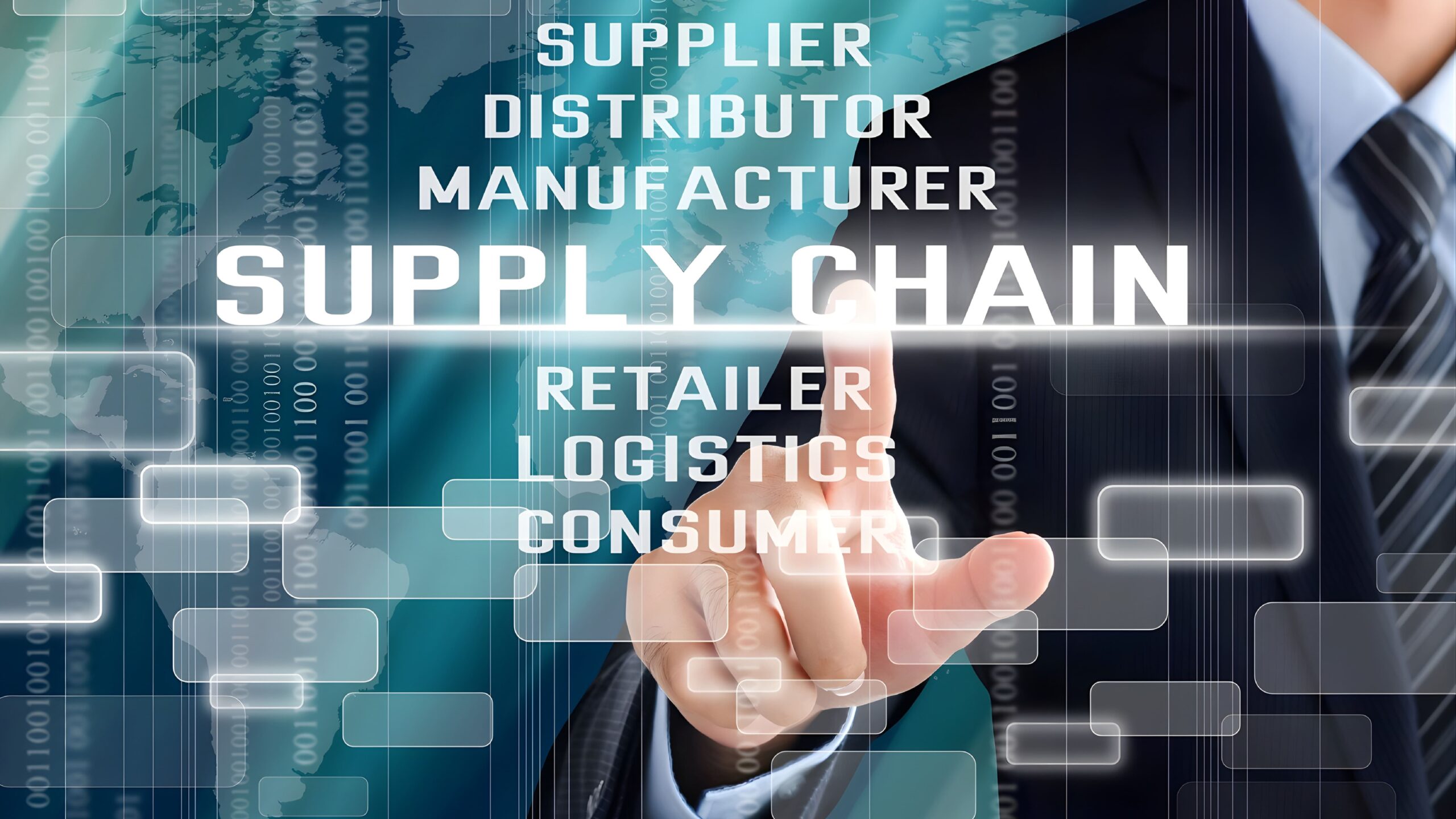
Role of BI, Data Analytics & Data Engineering Solutions in Supply Chain
BI, data analytics, and data engineering solutions go beyond basic reporting to provide real-time and predictive insights.
- Data engineering builds scalable data pipelines and ensures data quality across supply chain systems.
- BI solutions deliver dashboards, KPIs, and operational visibility.
- Data analytics enables forecasting, optimization, and risk analysis.
Together, these capabilities help organizations improve efficiency, reduce disruptions, and strengthen decision-making across logistics and supply chain operations.
Key Use Cases of BI, Data Analytics & Data Engineering in Logistics & Supply Chain
Demand Forecasting & Inventory Optimization
Analytics solutions analyze historical demand, market trends, and seasonality to forecast demand accurately, reduce stockouts, and optimize inventory levels.
Transportation & Fleet Analytics
BI and analytics monitor routes, delivery performance, fuel consumption, and vehicle utilization to optimize transportation efficiency and reduce logistics costs.
Supplier & Procurement Analytics
Analytics evaluate supplier performance, costs, delivery reliability, and risks, helping organizations strengthen supplier relationships and reduce disruptions.
Warehouse & Operational Analytics
Analytics optimize warehouse space utilization, labor productivity, order fulfillment accuracy, and operational efficiency.
Risk, Compliance & Resilience Analytics
BI and analytics track disruptions, regulatory requirements, and supply chain risks, enabling proactive risk mitigation and business continuity planning.
Data Sources Used in Logistics & Supply Chain Analytics & Data Engineering
BI, data analytics, and data engineering services integrate data from multiple logistics and supply chain systems, including:
- ERP and enterprise systems
- Warehouse management systems (WMS)
- Transportation management systems (TMS)
- Supplier and procurement platforms
- Inventory, order management, and customer systems
By consolidating these data sources, organizations establish a strong analytics foundation for reporting and advanced insights.
Benefits of BI, Data Analytics & Data Engineering for Logistics & Supply Chain
- Improved operational efficiency and reduced logistics costs
- Enhanced demand planning and inventory optimization
- Optimized transportation routes and warehouse utilization
- Better supplier performance and risk management
- Scalable analytics solutions to support growth and digital transformation
The Future of Logistics & Supply Chain with Advanced Analytics
FAQs: BI, Data Analytics & Data Engineering for Logistics & Supply Chain
These services analyze and manage transportation, inventory, procurement, and warehouse data to improve efficiency and reduce costs.
They use historical sales data, market trends, and seasonal patterns to predict demand accurately and reduce stock imbalances.
Data engineering builds reliable, scalable pipelines that integrate data from multiple supply chain systems for BI and analytics.
ERP systems, WMS, TMS, supplier platforms, inventory systems, and customer order data.
They monitor space utilization, labor productivity, and order fulfillment performance to improve efficiency.
By analyzing routes, delivery times, fuel usage, and fleet performance to reduce costs and delays.
Yes, analytics evaluate supplier reliability, costs, delivery metrics, and risks to reduce disruptions.
They track disruptions, compliance requirements, and external risks to enable proactive mitigation.
Yes, they scale across multiple locations, partners, and growing data volumes.
They enable predictive insights, operational resilience, cost optimization, and smarter decision-making in dynamic supply chain environments.