
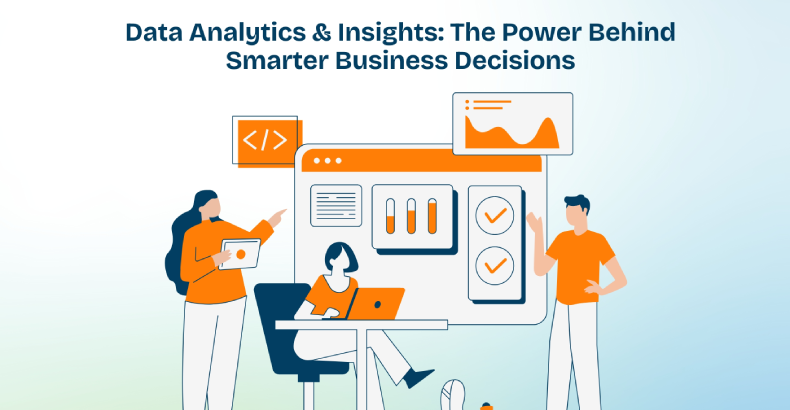
Data Analytics & Insights: The Power Behind Smarter Business Decisions
In today’s digital economy, data is more than just numbers; it’s one of the most valuable assets for modern businesses. Every customer interaction, transaction, and business process generates information that can help companies make smarter, faster, and more profitable decisions.
But success is not about collecting more data. It’s about transforming raw information into meaningful insights that drive business growth, improve efficiency, and enhance customer experiences.
Whether you’re a startup founder or a Fortune 500 executive, leveraging data analytics can be the difference between surviving and thriving in a competitive market.
How Data Analytics Drives Business Growth
Data analytics helps businesses uncover patterns, identify opportunities, and make informed decisions with confidence.
Spot Growth Opportunities
Businesses can use analytics to:
- Understand customer behavior
- Identify market trends
- Discover high-value customer segments
- Predict future demand
This helps organizations make strategic decisions based on real insights instead of assumptions.
Improve Operational Efficiency
Analytics also helps companies streamline operations by identifying inefficiencies and improving resource allocation.
Organizations can:
- Reduce manual work
- Optimize workflows
- Improve supply chain visibility
- Increase productivity through automation
Even small operational improvements can create significant long-term business impact.
Personalize Customer Experiences
Modern customers expect personalized experiences. Using behavioral data and customer insights, businesses can deliver more relevant products, services, and marketing campaigns.
This improves:
- Customer engagement
- Brand loyalty
- Customer retention
- Overall satisfaction
Maximize Marketing ROI
Instead of relying on guesswork, businesses can make data-driven decisions that improve conversions and reduce marketing costs.
Real-World Impact
A retail company used customer purchase data to redesign its loyalty program, increasing repeat sales by 25% and improving customer retention.
The Role of Predictive Analytics
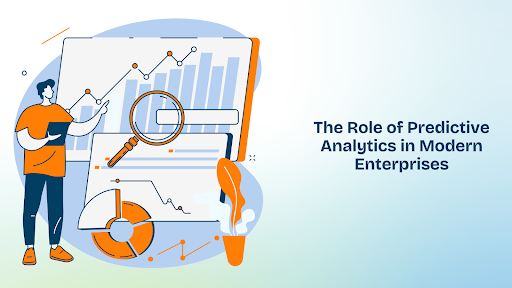
It allows organizations to move from reactive decision-making to proactive planning.
Key Benefits of Predictive Analytics
- Anticipate customer needs
- Reduce customer churn
- Improve demand forecasting
- Detect risks and anomalies early
- Support smarter business planning
Real-World Impact
A telecom company used predictive analytics to identify customers likely to leave and launched targeted retention campaigns. This reduced customer churn by 18% and saved millions in retention costs.
Why Real-Time Data Matters
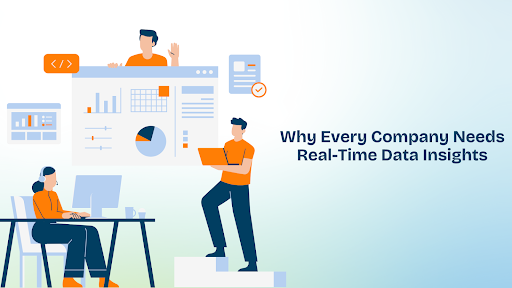
In today’s fast-moving business environment, waiting days for reports is no longer effective. Real-time analytics helps businesses respond instantly to changing market conditions and customer behavior.
Benefits of Real-Time Insights
- Faster decision-making
- Live operational visibility
- Better customer experiences
- Dynamic pricing and inventory management
- Faster issue resolution
Real-World Impact
An e-commerce company used real-time analytics during a flash sale to optimize pricing and inventory, increasing revenue while reducing stock shortages.
Building a Data-Driven Future
Technology alone does not create successful businesses. Organizations also need a strong data culture, reliable governance, skilled teams, and clear business goals.
The companies succeeding today are not just collecting data; they are turning data into action and action into measurable business value.
Final Thoughts
Data analytics is no longer optional. It has become a core business capability for organizations that want to grow, innovate, and stay competitive.
Businesses that effectively use data can:
- Make smarter decisions
- Improve operational efficiency
- Deliver better customer experiences
- Predict future opportunities and risks
Because in today’s business world, the organizations that understand their data are the ones shaping the future.
FAQs
Data analytics helps businesses transform raw data into meaningful insights, enabling smarter decisions, improved efficiency, and better customer experiences.
Data analytics helps organizations identify growth opportunities, understand customer behavior, improve operations, and make informed business decisions.
Predictive analytics helps businesses forecast future outcomes, reduce customer churn, improve demand forecasting, identify risks, and support proactive planning.
Real-time data enables businesses to respond quickly to changing conditions, improve operational visibility, enhance customer experiences, and make faster decisions.
Organizations can build a data-driven business by combining strong data governance, skilled teams, clear business goals, and analytics that turn insights into measurable business value.