
Introduction
In today’s highly regulated business environment, compliance is no longer just a legal requirement; it has become a strategic business priority. Organizations must comply with regulations related to data privacy, financial reporting, cybersecurity, and industry-specific standards.
The challenge is that regulations continue to evolve while traditional compliance methods struggle to keep pace. Manual reviews, spreadsheets, and periodic audits often create delays and increase the risk of penalties, reputational damage, and operational disruptions.
This is where regulatory intelligence becomes valuable. By combining analytics, automation, and real-time monitoring, organizations can transform compliance from a reactive process into a proactive business capability.
What Is Regulatory Intelligence?
Regulatory intelligence refers to the use of analytics, business intelligence, and automation to monitor compliance requirements, identify risks, and support decision-making.
Instead of waiting for audits or annual reviews, organizations can continuously monitor compliance activities and detect potential issues before they become serious problems.
Modern regulatory intelligence systems help businesses understand not only their current compliance status but also potential future risks.
Why Traditional Compliance Monitoring Falls Short
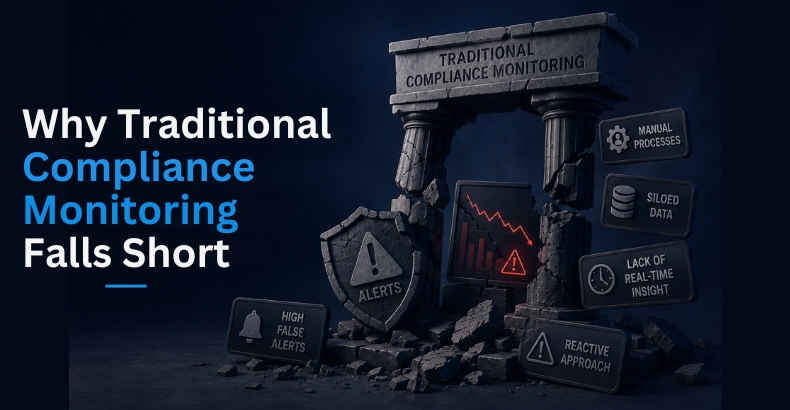
Many organizations still depend on spreadsheets, manual reviews, and periodic audits to manage compliance.
While these methods may work for smaller organizations, they become difficult to manage as regulations, systems, and data volumes increase.
Common challenges include:
- Limited visibility across systems
- Delayed identification of compliance issues
- Manual reporting processes
- Inconsistent policy enforcement
- Difficulty tracking regulatory changes
As businesses grow, these approaches become slower, more expensive, and less effective.
How Analytics Improves Compliance Monitoring
Analytics allows organizations to monitor compliance continuously rather than periodically.
By analyzing operational systems, financial records, security logs, and business processes, organizations gain immediate visibility into compliance performance.
Analytics can automatically identify unusual transactions, unauthorized access attempts, missing documentation, and policy violations. Instead of spending days preparing reports, teams can access real-time dashboards and alerts.
This approach allows compliance teams to focus on managing risks instead of performing repetitive administrative tasks.
Key Areas Where Regulatory Analytics Creates Value
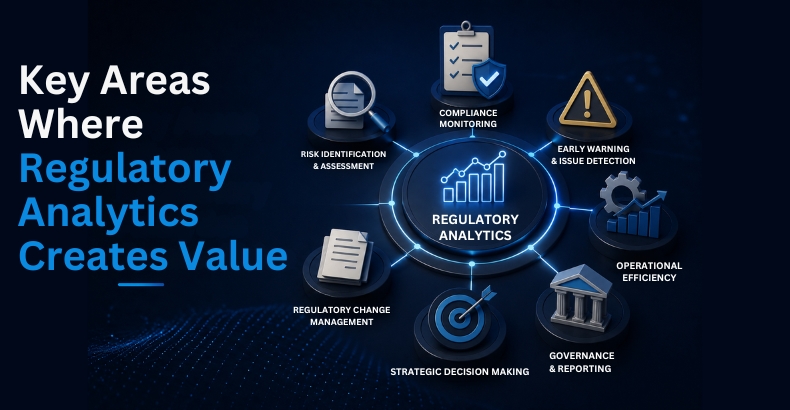
Risk Identification
Analytics helps identify patterns and anomalies that may indicate compliance risks. Suspicious transactions, unusual user activity, or policy violations can be detected before they become major issues.
Continuous Monitoring
Organizations can monitor compliance activities continuously instead of relying on periodic audits. This improves visibility and enables faster responses to potential risks.
Faster Audits
Regulatory Change Management
Regulations frequently change across industries. Analytics tools help organizations monitor these changes and assess their impact on policies and business processes.
The Role of Real-Time Dashboards
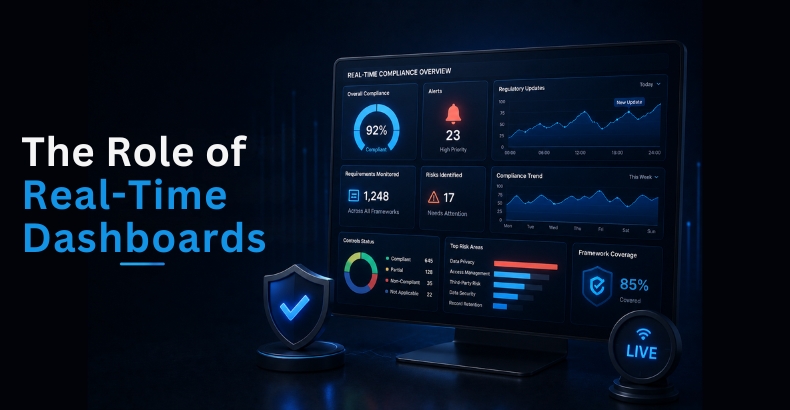
One of the biggest advantages of regulatory intelligence is visibility.
Modern dashboards provide compliance teams and executives with clear insights into:
- Compliance status across departments
- Open compliance issues
- Risk trends and patterns
- Policy violations
- Audit readiness indicators
Instead of reviewing lengthy reports, leaders can quickly identify issues and take corrective action.
Technologies Powering Regulatory Intelligence
Several modern technologies support regulatory intelligence initiatives:
- Business intelligence platforms such as Power BI and Tableau
- Artificial intelligence for anomaly detection
- Machine learning for risk prediction
- Data governance platforms
- Real-time analytics systems
Together, these technologies help organizations move from reactive compliance management to proactive compliance intelligence.
Real-World Example
Consider a financial services company that processes thousands of transactions every day.
Without analytics, suspicious activities may go unnoticed for several days. With regulatory intelligence, transactions are monitored continuously, and unusual activity generates immediate alerts.
This enables faster investigations, reduces risk, and helps maintain customer trust.
The Future of Compliance
As regulations continue to evolve and organizations generate more data, compliance management will become increasingly data driven.
Future compliance systems will:
- Predict compliance risks
- Automate policy enforcement
- Monitor controls continuously
- Generate compliance insights automatically
- Support real-time reporting
Conclusion
Regulatory intelligence is transforming how organizations approach compliance. By combining analytics, automation, and real-time monitoring, businesses can gain continuous visibility into compliance performance.
Organizations that succeed will identify risks early, enforce policies consistently, and make compliance an integral part of their operations.
Because in today’s data-driven world, compliance is no longer just about meeting regulations.
It is about building a smarter, safer, and more resilient organization.
FAQs
Regulatory intelligence uses analytics, business intelligence, and automation to monitor compliance requirements, identify risks, and support informed business decisions.
Regulatory intelligence helps organizations monitor compliance continuously, identify risks early, reduce manual processes, and respond faster to regulatory changes.
Analytics enables continuous monitoring by identifying unusual activities, policy violations, unauthorized access, and compliance risks through real-time dashboards and alerts.
Regulatory intelligence is supported by business intelligence platforms, artificial intelligence, machine learning, data governance platforms, and real-time analytics systems.
Regulatory intelligence improves risk identification, speeds up audits, enhances compliance visibility, supports regulatory change management, and strengthens organizational resilience.